Hello, my friends,
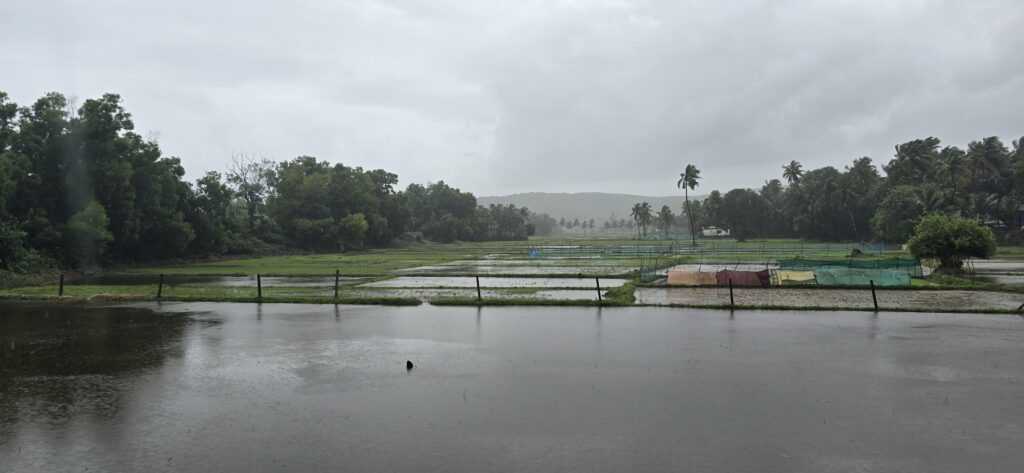
I have just returned from the coast, and I must say I have never witnessed such a bleak and disappointing monsoon. During the first 40-day phase of the season, we have received less than one-fifth of the rainfall that is normally expected. It is a deeply worrying situation, and the impact of the El Niño phenomenon is becoming increasingly evident through extreme and unpredictable weather events across the globe.
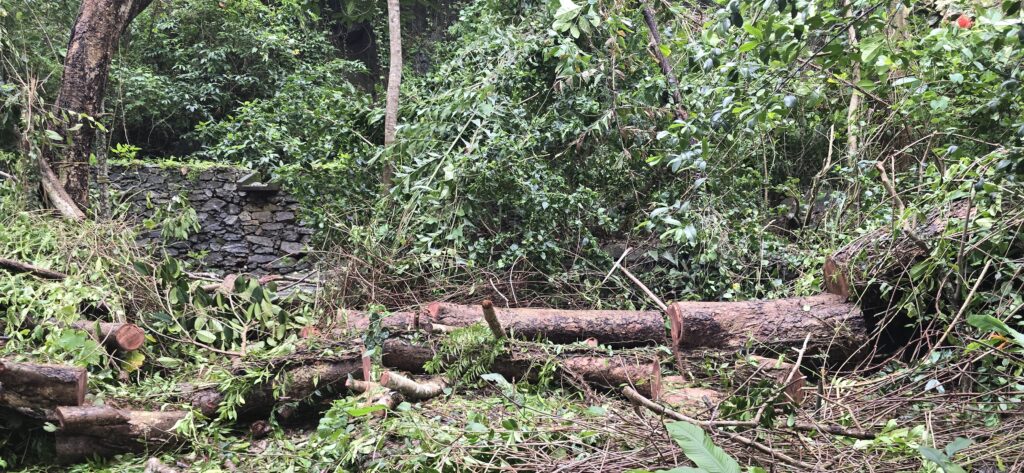
For several days, we experienced relentless winds reaching speeds of nearly 50 km/h. These powerful gusts uprooted and damaged trees of all sizes, yet they brought very little rain. The sea remained rough and choppy, but the skies refused to open. In a frightening incident, a massive Jamun tree crashed onto our home, clipping the rear section of the roof. Fortunately, a tall coconut tree stood in its path, cushioning the impact and preventing what could have been a major disaster. We were incredibly lucky.
What makes this monsoon even more unusual is the persistent sunshine. Typically, July along the Karnataka coast is characterized by dark, rain-filled skies, with the sun remaining hidden for weeks at a stretch. This year, however, every single day has brought bright sunshine, only to be followed by gloomy clouds that rarely deliver meaningful rainfall. It feels as though nature itself is out of balance.
At the same time, it is paradoxical that Mumbai is being battered by record-breaking rainfall and severe flooding. Meteorologists explain that moisture-laden winds from the Arabian Sea are interacting with a low-pressure system over the Bay of Bengal. The city’s unique coastal geography and the Western Ghats force these weather systems upward, causing enormous volumes of rain to fall in concentrated bursts. This localized phenomenon appears to be overriding the typical suppressing influence of El Niño, making the current weather pattern both fascinating and perplexing.
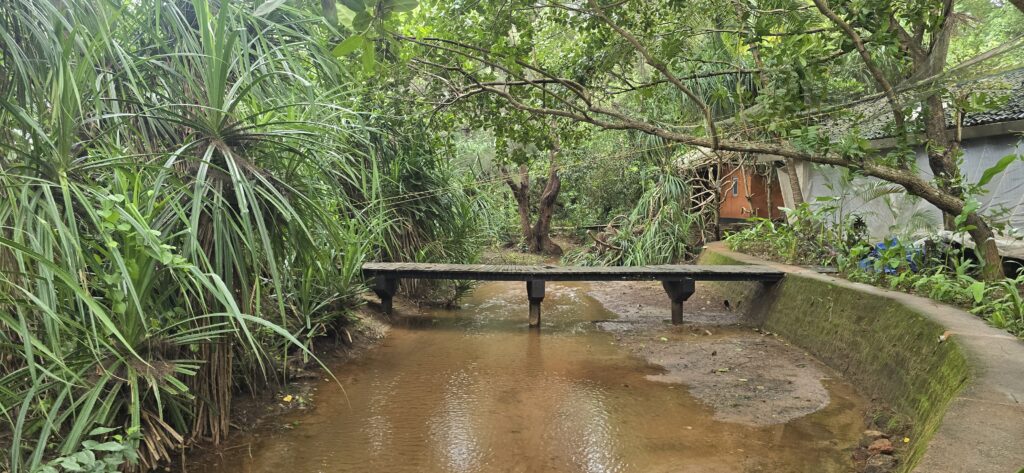
The consequences for coastal Karnataka could be severe. Inadequate monsoon rainfall will directly impact agriculture, groundwater recharge, and crop productivity. Reservoirs, rivers, and wells may not receive sufficient replenishment, increasing the likelihood of drought conditions much earlier than expected, even before the onset of summer. Farmers and rural communities are likely to bear the brunt of these changing climatic patterns.
Climate variability is no longer a distant concern—it is unfolding before our eyes. As these extremes become more frequent, we must prepare ourselves for increasingly challenging times ahead. My hope is that the latter part of the monsoon brings some much-needed relief, but for now, the signs are far from encouraging.